Best Spa Wellness Stays in Incheon
Spa wellness stays in Incheon split between two very different addresses: Hotel Carlton, a 4-star property near Incheon International Airport with a hot tub, spa and room service, and Grand Hyatt Incheon, a 5-star resort-style hotel near the Songdo waterfront with three pools and an international dining lineup. Between them they cover both ends of the wellness range in this city, from a compact hot-tub-and-spa stopover close to the terminals to a full-scale hotel spa experience backed by 6,918 reviews at a 4.4-star average, the single largest review base of any property in this guide.
Incheon doesn't market itself as a wellness destination the way a beach resort town might, so its two spa-driven hotels stand out precisely because they're the exception rather than the rule. One sits in the practical, transit-oriented cluster near the airport terminals, the other in Songdo's more deliberate, purpose-built waterfront district, and the gap between them says something about a city still figuring out whether it wants to be a stopover or a stay.
Hotels in Incheon
What actually separates a genuine spa wellness stay in Incheon from a hotel that simply lists a hot tub on its amenities page? Scale and follow-through. A single hot tub in a compact airport hotel serves a different traveler than three pools and a full-service spa wing in a resort-scale property, and the honest answer to which one to book depends entirely on whether the goal is a quick soak between flights or a half-day given over to the water and the treatment rooms.
Hotel Carlton pairs its hot tub and spa with a business center, room service and accessible rooms, a combination that reads less like a resort and more like a genuinely comfortable stopover for a traveler who wants to unwind for an evening rather than commit to a wellness itinerary. Its 4.1-star average across 91 reviews and 4-star classification back up a property built for consistent comfort rather than one standout amenity.
Grand Hyatt Incheon takes the opposite scale entirely: three pools, a full-service spa, a fitness center and international dining sit inside a 5-star property just 10 minutes from Wonder Box and 23 minutes from the airport, all confirmed by 6,918 reviews at 4.4 stars, a review volume no other hotel in this guide comes close to matching. This is the property built for a genuine half-day or full-day wellness stretch rather than an evening soak.
The gap in scale between the two properties is itself the useful information here: Hotel Carlton suits a traveler layering a hot tub onto an otherwise ordinary airport-area stay, while Grand Hyatt Incheon suits someone deliberately choosing Incheon as a wellness base, pools and spa included as the point of the stay rather than an add-on to a transit night.
A traveler's takeA traveler with a long layover chose Grand Hyatt Incheon specifically for the three pools rather than staying near the terminals, trading a few extra minutes of transit time for an afternoon spent moving between the water and the spa before an evening flight. The extra distance from the airport barely registered once the day was built around the pools rather than a departure gate.
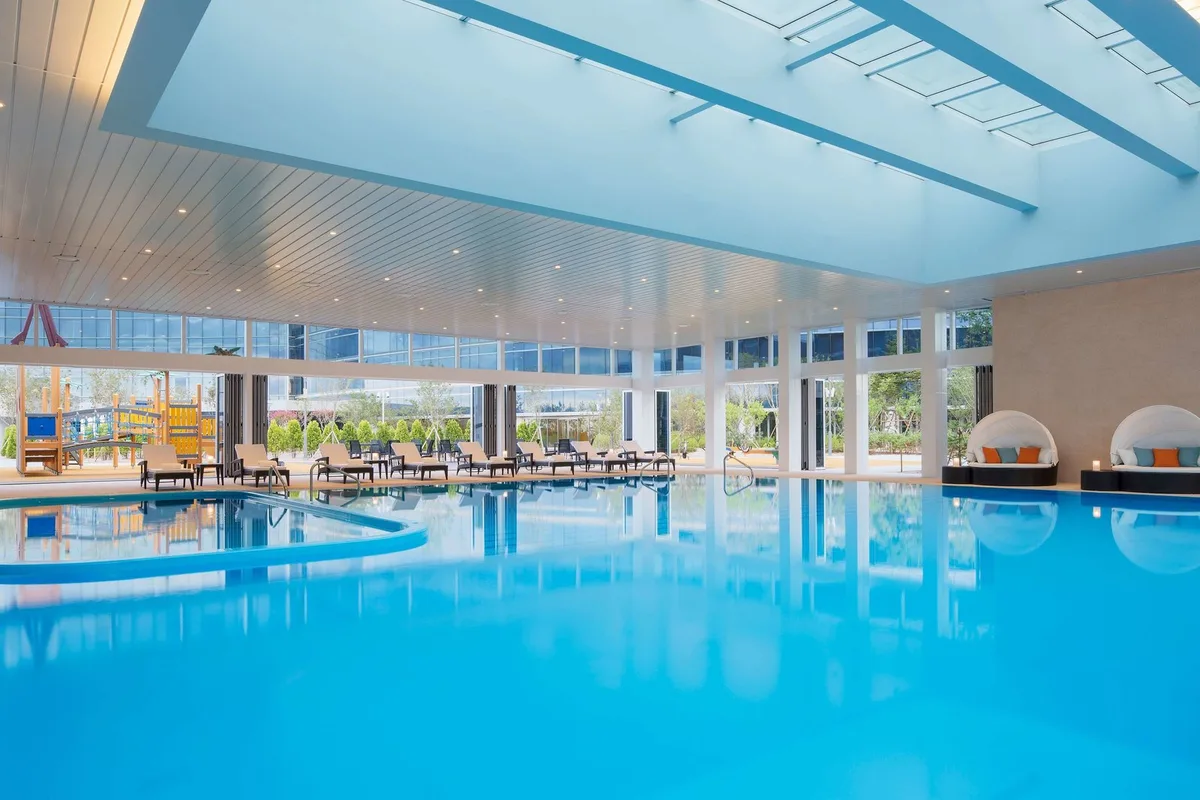 Spa & Wellness
Grand Hyatt Incheon
Three pools, a full spa and dining, 23 minutes from the airport
Why guests love itGrand Hyatt Incheon works for families mainly because of its three pools, which give children several options inside one property, and its international restaurants, which spare parents a search for dinner. The location near Songdo's Wonder Box, about 23 minutes from Incheon International Airport, suits a family breaking a long-haul journey. I would keep expectations clear: the spa and the bar are adult territory, and this is not a dedicated kids' resort. With an 8.8 rating across 6,918 reviews, I consider it a dependable pick.
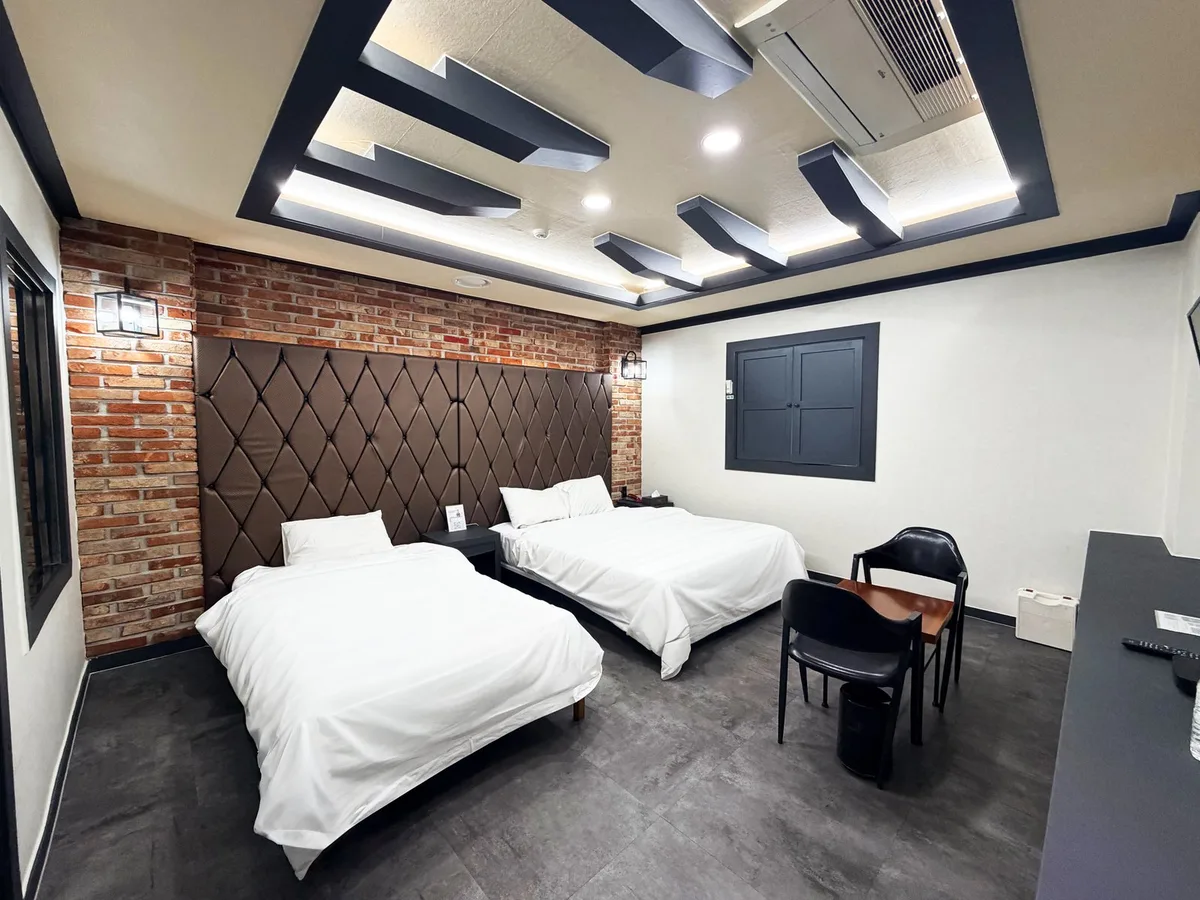 Spa & Wellness
Hotel Carlton
A hot tub, spa and room service in a 4-star setting
Why guests love itHotel Carlton is a four-star hotel in Incheon, about an hour from Incheon International Airport by public transport. Its mix of amenities is unusual for this tier in the city: a hot tub, a spa, room service and a business centre. The 8.2 score across 91 reviews is good. For families, room service and the hot tub make evenings easier after a day out. I recommend it for a comfortable city stay rather than an airport night before an early flight.
Local tips
- 1Book Hotel Carlton if you want a hot tub and spa without leaving the immediate airport area, not a full resort-scale wellness stay.
- 2Choose Grand Hyatt Incheon if you have a half-day or more to spend on pools, spa treatments and dining rather than a quick soak.
- 3Confirm spa treatment availability in advance at Grand Hyatt Incheon given its scale and review volume, wait times can build during peak hours.
- 4Use Hotel Carlton's business center and room service if you're combining a wellness evening with work before or after your stay.
- 5Weigh the 23-minute airport distance at Grand Hyatt Incheon against the time saved by Hotel Carlton's closer, more compact setup.